

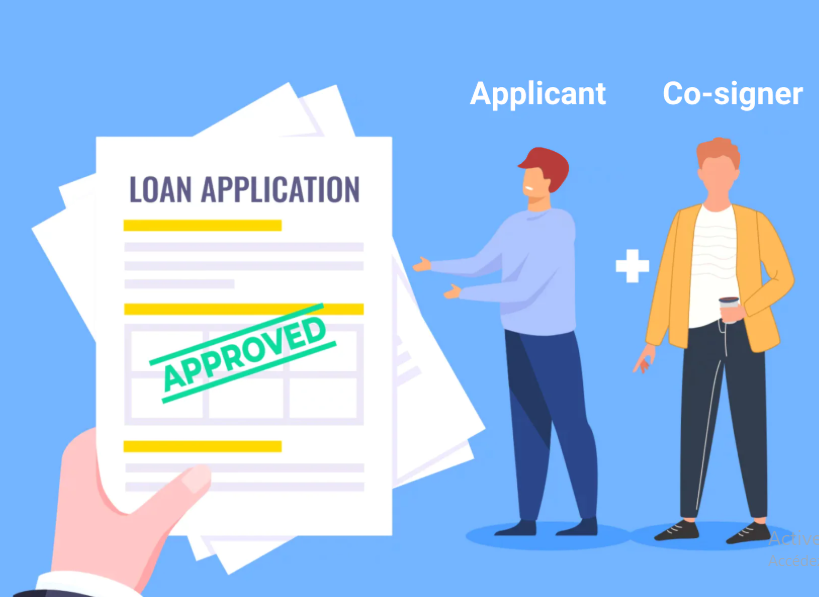
A loan with a co-borrower (or guarantor) is a solution where a second person agrees to repay the debt if you are unable to do so. It’s a powerful tool for resolving a difficult situation.
They can help you


How this helps you in practice
Access to credit: This is often the solution for students, young professionals on fixed-term contracts, or people with irregular income who would otherwise be refused.
Boosted borrowing capacity: The bank combines the incomes of both signatories, allowing you to borrow a larger sum or obtain a better interest rate thanks to the reduced risk.
Shared responsibility: For a joint project (couple, real estate purchase), this legally binds both parties to the project.
What you need to know before signing
Joint and several liability: The co-signer is 100% responsible for the debt. If you miss a payment, the bank will pursue them directly.
Impact on debt-to-income ratio: The loan will appear as a liability for both individuals, which may limit the co-signer’s ability to obtain other loans for their own projects.
Difficulty in removing a co-signer: Removing a co-signer during the loan term is complex and requires the bank’s agreement (often through a loan consolidation).
Where to turn?
Student Loans: Banks like Société Générale or BNP Paribas almost always require a co-signer (often the parents).
Mutual Guarantee: For real estate loans, organizations like Crédit Logement act as an institutional co-signer for a fee.